Manage Component Obsolescence in SMT Assembly
The electronics that fill your pocket and power your car were most likely made using surface mount technology (SMT). SMT is an assembly method that replaced through-hole in the 1970s and 1980s. SMT enables smaller and more efficient circuit boards, faster processing times, and lower manufacturing costs. But, like all manufacturing processes, there are some inherent limitations that can limit your product’s potential. One of the most significant is component obsolescence.
Obsolescence is a common risk for smt assembly, and one that can be avoided through proper planning. Parts may become obsolete due to technological advancements, design changes, or simply a lack of demand. Regardless of the reason, obsolescence can cause your project to fail and even result in expensive production stoppages if not managed properly.
Managing component obsolescence starts with your Bill of Materials (BOM) review. If your design includes older components that are at or near the end of their lifespan, it’s essential to make a change as soon as possible. This can be as simple as selecting a new component with an extended lifecycle, or it can require redesigning and requalifying the entire board.
Working with an EMS that provides you with component engineering and forecasting services can help minimize the effects of component obsolescence on your products. These service providers will use models and mathematical equations to predict the date when your components will most likely go obsolete. They can then apply these predictions to your BOM, ensuring that your product is built using the most up-to-date components.
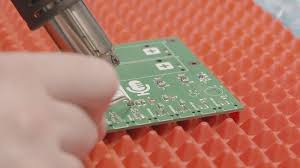
How Do You Manage Component Obsolescence in SMT Assembly?
Another aspect of obsolescence management is staying on top of EOL and last-time buy notices from your component suppliers. This can be a time-consuming and resource-intensive task, but it’s important to stay informed of these announcements so you don’t run out of stock.
An EMS with a strong network of vetted supplier relationships can be your best ally in the battle against component obsolescence. They can help you find a substitute or an aftermarket alternative without running the risk of low-quality parts that could cause your product to fail.
It’s also crucial to work with a partner that understands the need for proactive obsolescence management. They can help you identify and prioritize your most critical components in terms of their function and performance, as well as the risks they pose if they are unavailable. In addition, they can provide you with options such as a life-time purchase or an alternative supplier, both of which can mitigate the risk of production delays or cost overruns.
Managing component obsolescence requires an experienced EMS partner who can help you with the latest forecasting and trend analysis. They can provide you with the data and insight you need to plan ahead, minimizing the risk of costly production delays and keeping your products competitive in today’s ever-changing marketplace. Contact us to learn more about how our obsolescence management services can benefit your next project.