
Failure Modes Associated With FPC Circuit Board
Circuit boards are the building blocks of nearly all electronic devices. They supply power to components and relay electrical signals between them. They can be rigid or flexible. A flexible printed circuit board (FPC) is a type of PCB that can bend without cracking or breaking. FPCs are used in products like cell phones and thermostats because they allow the device to be compact and take up less space.
There are three main types of FPCs: type 1 and 2 have copper circuits on one or both sides. These can withstand bending and are used in products that require many interconnections in a small package. Type 3 and 4 have a hybrid structure, with copper and polyimide layers. The conductive traces are located between the outer layers of the FPC, and they have plated interconnect holes. These can be used in high-speed applications, such as those found in smartphones and medical equipment.
FPCs have a number of benefits, including their low cost and reliability. They are also lightweight and offer excellent heat dissipation, making them ideal for mobile devices. fpc circuit board also have good solderability and easy assembly. They are easy to repair and can be modified for different purposes without replacing them. FPCs are also flexible, which makes them ideal for mobile devices.
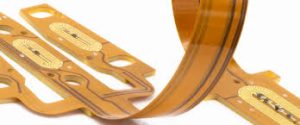
Common Failure Modes Associated With FPC Circuit Board
The most common failure modes associated with fpc circuit board are the occurrence of electrical shorts and the lack of adequate via fields. This problem can be prevented by using the right materials and designing the circuit board correctly. FPCs must be designed with appropriate width and spacing in order to prevent electrical shorts and maintain current carrying capacity.
In addition, the fpc circuit board should have sufficient ductility to withstand repeated bending. This can be achieved by using high-quality polyimide or FR-4 as the substrate material, and by providing sufficient thickness for the copper circuits. It is also important to use the correct soldering techniques and ensure that the solder joints are properly bonded. In addition, the storage and handling of fpc circuit boards must be carefully controlled. This includes ensuring that the factory is clean and under regular pest control, and by using anti-static work practices.
FPCs can also be damaged by excessive bending, which can cause them to break or crack. This can be caused by the design, manufacturing, or handling process. In addition, moisture and temperature fluctuations can damage fpcs. To avoid this, the manufacturer should use a high-quality polyimide or FR-4 base material and follow the recommended processing and storage procedures.
The fpc circuit board can also be damaged by improper soldering or mounting. The soldering process must be conducted at the right temperature and for the correct length of time. It is also important to use a low melting point solder, which will help reduce the chance of dry points and other defects.
The most common failure modes associated with fpc are the occurrence of electrical shorts and poor soldering. These problems can be prevented by using a high-quality soldering machine and following the manufacturers’ instructions for use. Additionally, the temperature of the soldering machine should be carefully monitored. Finally, the fpc should be stored and handled in a dry environment to prevent damage from moisture.


